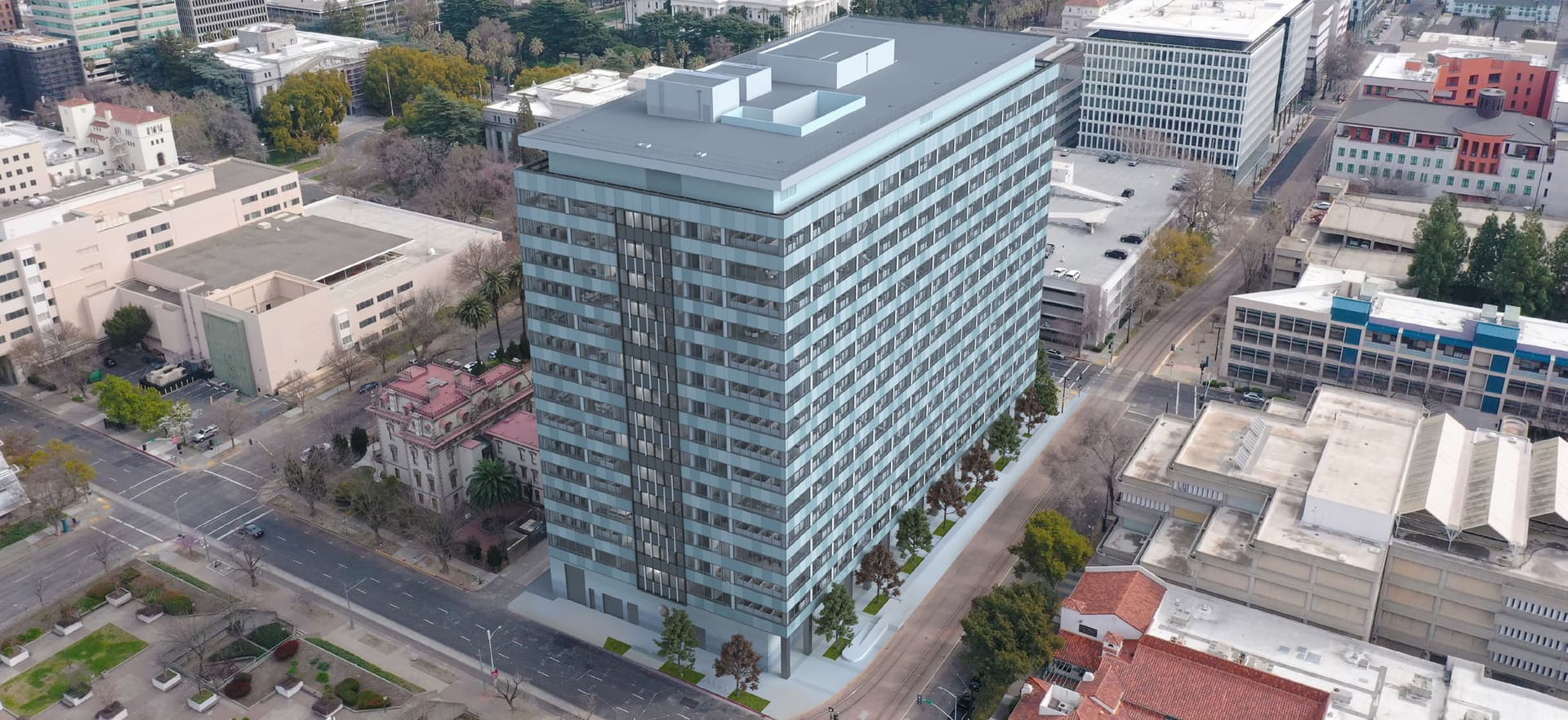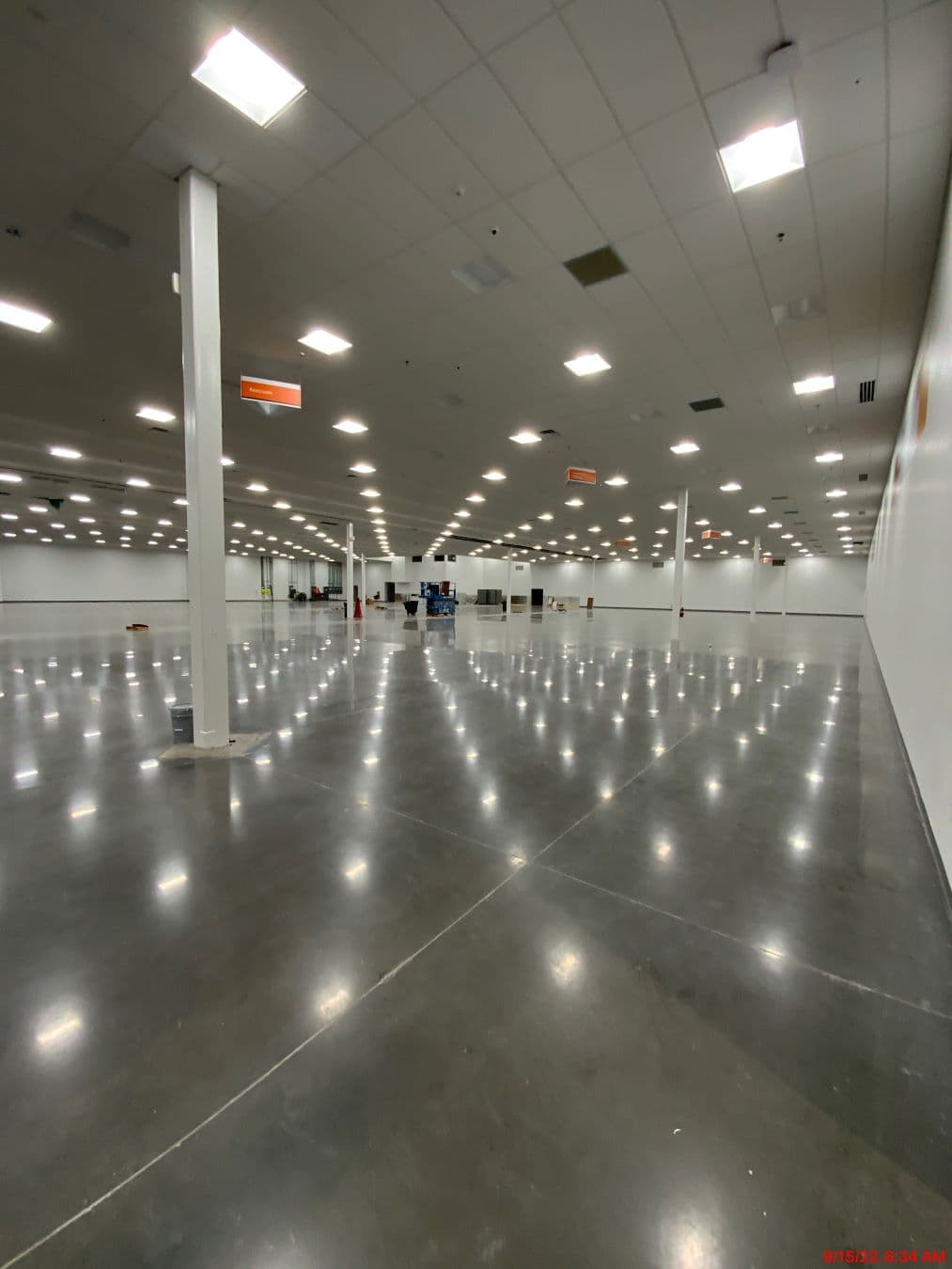
Healthcare facilities are being asked to do more with buildings and infrastructure that were designed for a different era. Aging mechanical and electrical systems, outdated clinical spaces, evolving technology requirements, and deferred upgrades can make modernization increasingly difficult.
But healthcare renovation is not just a construction challenge. Hospitals and health systems must improve facilities while maintaining patient care, protecting critical operations, and minimizing disruption to staff and clinical environments.
The question is no longer, “Does this facility need to be upgraded?” The better question is, “How can we modernize it without disrupting care?”
What Healthcare Owners Are Dealing With
- Aging infrastructure and building systems: Electrical distribution, HVAC, plumbing, controls, emergency power, and other critical systems may be approaching the end of their useful life. Replacing them within an active healthcare environment requires careful sequencing and coordination.
- Renovation within occupied facilities: Healthcare construction often takes place alongside active patient rooms, operating areas, laboratories, imaging departments, and other essential spaces. Shutdowns, deliveries, installation activities, and temporary conditions must be planned around ongoing operations.
- Changing technology and equipment requirements: Modern clinical equipment can create new electrical, cooling, structural, data, and space requirements that older facilities were not designed to support.
- Limited space and logistical constraints: Existing hospitals may have little room for staging, storage, equipment movement, or temporary infrastructure, making logistics an important part of modernization planning.
- Long-lead materials and equipment: Switchgear, generators, air-handling equipment, controls, medical equipment, and other critical components can carry extended lead times that influence renovation sequencing.
- Budget pressure across competing priorities: Healthcare organizations often have multiple facilities and infrastructure needs competing for limited capital. Reactive replacements and emergency purchases can further increase costs.
Modernization Planning Needs to Start Earlier
For aging healthcare facilities, modernization should not begin when a system fails or a renovation package is ready for construction.
It should start with understanding the facility, identifying critical risks, and connecting design, procurement, logistics, and construction planning from the beginning.
The earlier these considerations are brought into the project, the more options the team has.
- Schedule certainty: Identify equipment, infrastructure, and sequencing risks before they affect construction or clinical operations.
- Smarter specifications: Align modernization requirements with available products, equipment lead times, and existing facility conditions.
- Better cost control: Reduce emergency purchases, expedited shipping, temporary solutions, and costly late-stage changes.
- Operational continuity: Coordinate deliveries, shutdowns, installations, and commissioning around patient care and facility needs.
- Project team alignment: Connect owners, facility teams, designers, contractors, suppliers, and procurement teams before issues become urgent.
SourceBlue’s position is simple: supply chain and procurement planning should be integrated into healthcare modernization from the beginning, not addressed after project decisions have already been made.
How SourceBlue Helps: Supply Chain Support for Healthcare Modernization
SourceBlue helps project teams coordinate critical materials and equipment with greater certainty, visibility, and control.
For healthcare modernization projects, that means helping teams anticipate procurement challenges, coordinate complex equipment needs, and align supply chain decisions with construction schedules and ongoing facility operations.
- Critical equipment sourcing: Identify, source, and coordinate equipment and materials required for infrastructure upgrades and facility renovations.
- Supplier and manufacturer coordination: Create stronger visibility into availability, lead times, pricing, production, and delivery expectations.
- Procurement planning: Align purchasing strategies with renovation phases, shutdown windows, construction milestones, and operational requirements.
- Alternative product evaluation: Help teams evaluate viable options when existing specifications, availability, cost, or timing create project risk.
- Logistics and delivery coordination: Plan material and equipment movement around constrained sites, occupied facilities, and phased construction.
- Material and equipment visibility: Improve communication across project stakeholders so critical procurement decisions are coordinated with the broader modernization plan.
- Risk reduction before purchase orders are placed: Bring supply chain insight into the project early enough to identify constraints and preserve options.
SourceBlue helps healthcare teams move from reacting to aging infrastructure to proactively planning how critical materials and equipment support modernization.
Why Project Teams Work With SourceBlue
Healthcare modernization requires more than purchasing support. It requires a supply chain partner that understands construction schedules, active healthcare environments, stakeholder coordination, and the consequences of disruption.
SourceBlue works at the intersection of sourcing, project execution, and supplier management. Our role is to help teams identify risk earlier, make informed procurement decisions, and keep critical materials and equipment moving.
- Clearer visibility: Identify procurement and equipment risks before they reach the field.
- Stronger sourcing options: Evaluate alternatives while the project still has flexibility.
- Better coordination: Connect suppliers, project teams, and facility stakeholders around modernization requirements.
- Project delivery alignment: Connect procurement strategy to schedule, budget, phasing, and execution.
- Certainty over transactions: Work with a partner focused on reducing project risk and supporting continuity of care, not just placing orders.
Transforming the Construction Supply Chain
SourceBlue helps healthcare teams identify supply chain risks, coordinate critical materials and equipment, and keep complex modernization projects moving while facilities remain operational.