Estimated Read Time: 7 minutes
Summary
Demand for data centers is accelerating, driven largely by AI and high-density computing, but project timelines are increasingly constrained by power availability, cooling requirements, and supply chain disruptions. Long lead times for critical electrical and mechanical equipment such as transformers, switchgear, and cooling systems are making it difficult to align procurement with construction schedules.
This article explores what is driving these delays, how the data center supply chain is evolving, and why procurement strategy is becoming a critical factor in project success. It also examines how rising rack densities and advanced cooling technologies are reshaping infrastructure requirements, and how a more proactive, integrated approach to sourcing can help reduce risk and improve project certainty in a constrained market.
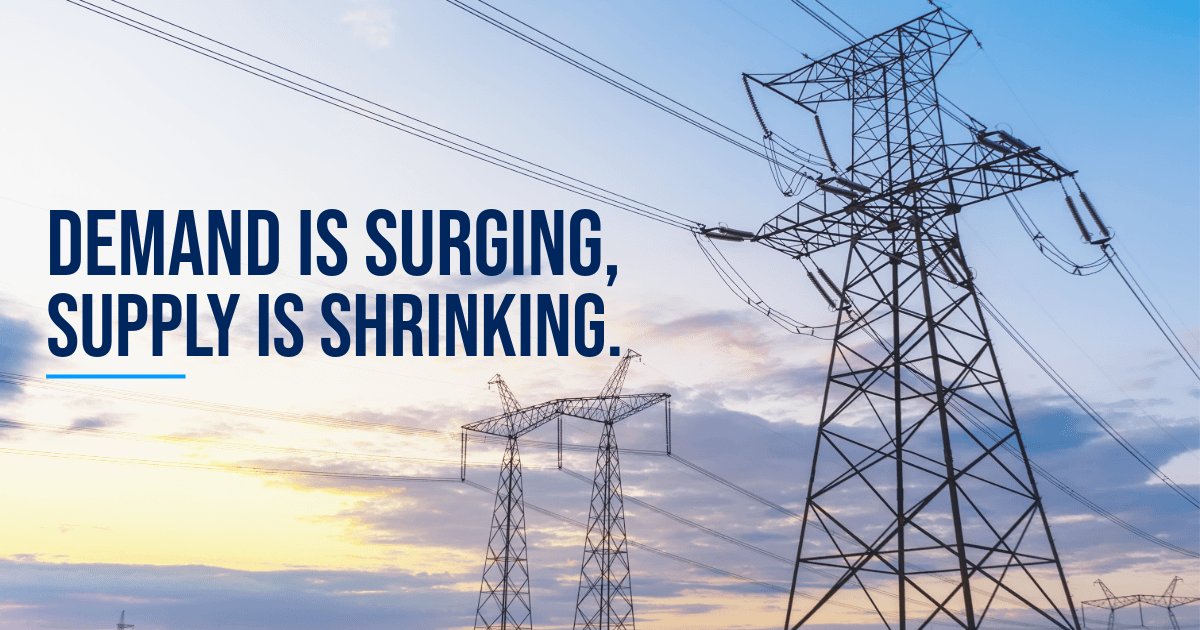
Data center development is moving faster than ever, but many projects are struggling to keep pace once power and equipment realities enter the conversation. Across major markets, developers are running into the same constraint: limited power availability and the equipment required to support it. Demand for data processing capacity continues to surge, and hyperscalers, colocation providers, and enterprise developers are scaling aggressively. Many projects are being delayed, re-sequenced, or re-scoped due to constraints in the data center supply chain.
The Reality Behind Delays: Power, Density, and Equipment Constraints
Over the past two decades, rack density has increased dramatically, evolving from just 1 to 3 kW per rack in early deployments to 30 kW or more in many facilities today. With AI and high-performance computing driving demand, densities are now exceeding 40 kW per rack and trending toward 100 kW and beyond. This shift has direct implications for procurement, equipment selection, and project timelines.
Utilities in major markets such as Northern Virginia, Phoenix, Dallas, and parts of the Midwest are finding it increasingly difficult to meet large-scale power demands within expected timelines. Interconnection queues are growing, and some developers are facing multi-year waits for capacity. As AI data centers push higher densities, these power requirements become even more concentrated and difficult to deliver.
Even when power is available, the equipment required to distribute and manage it presents another challenge: lead times for critical electrical components have expanded considerably. Transformers, switchgear, medium voltage cable, and fiber connectivity are all experiencing extended procurement timelines.
Concurrently, the mechanical systems required to support higher densities are becoming more complex and more constrained. In many cases, equipment availability is now driving project sequencing, with teams prioritizing what can be procured rather than what was originally specified.
Cooling Demands Are Reshaping the Supply Chain
As rack density increases, cooling is no longer a secondary design consideration. It is becoming one of the primary drivers of both infrastructure design and supply chain strategy.
Traditional air-cooled systems begin to reach their limits as rack densities exceed roughly 15 kW. Beyond that threshold, airflow alone struggles to manage the heat generated by high-density computing environments.
As a result, advanced cooling technologies are becoming essential, including:
- Direct-to-chip liquid cooling
- Rear-door heat exchangers
- Immersion cooling systems
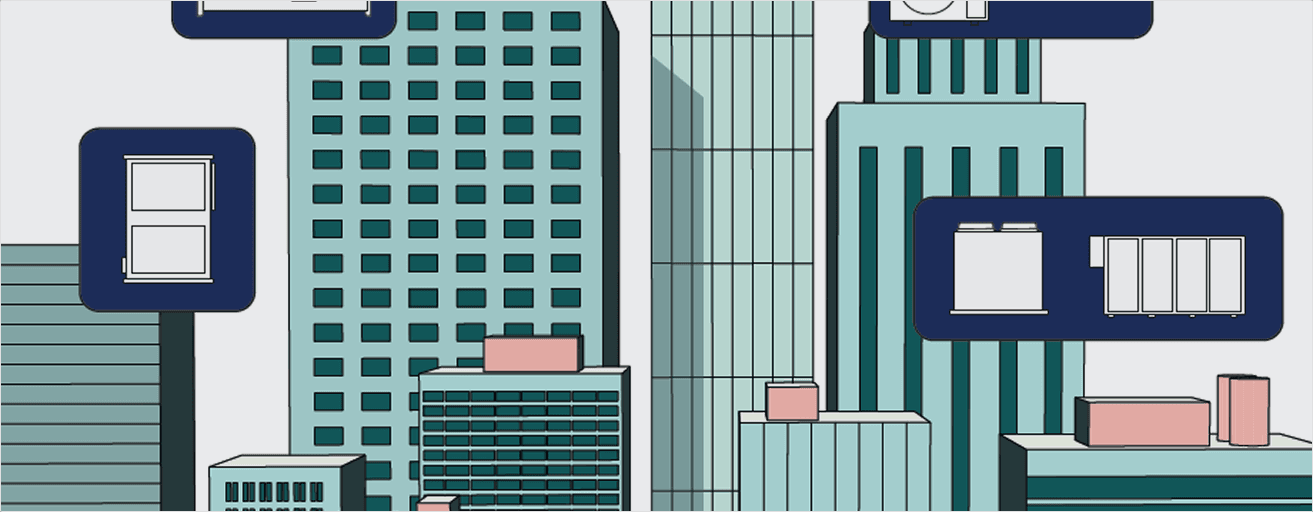
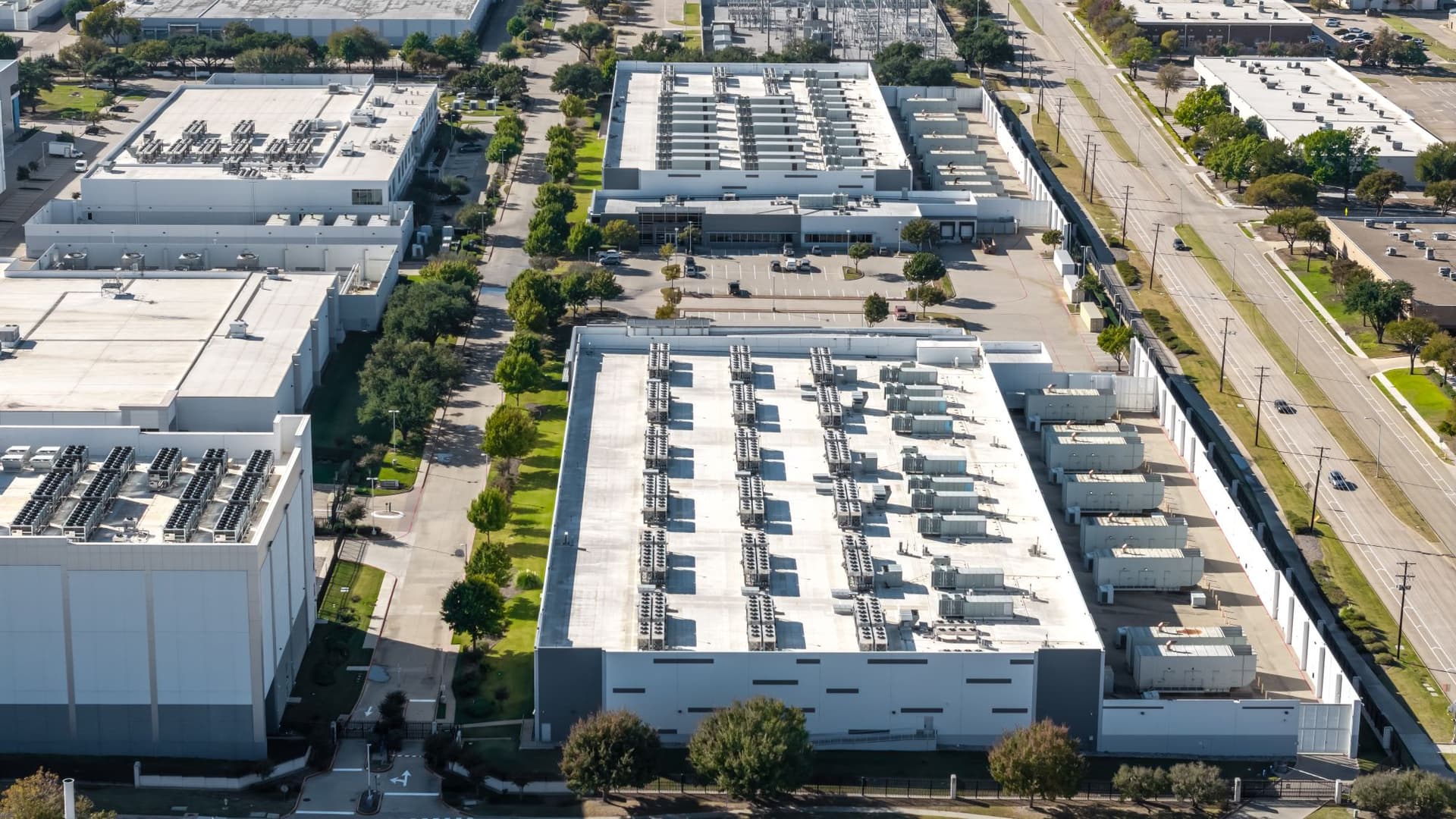
These systems introduce a new layer of complexity to the data center supply chain - equipment such as chillers, cooling towers, CRAC and CRAH units, pumps, and specialized liquid cooling infrastructure must now be procured earlier and coordinated more closely with electrical systems. This convergence of electrical and mechanical demand is tightening supply across multiple categories at once, which is making it more difficult to maintain predictable project timelines.
A More Complex Supply Chain
The data center supply chain has become increasingly global, and with that comes added vulnerability. Many essential components rely on international manufacturing, where geopolitical tensions, trade policy shifts, and transportation disruptions can influence both cost and availability.
The pandemic revealed just how vulnerable global supply chains can be, and many manufacturers are still feeling the effects. While conditions have improved in some areas, backlogs remain, and suppliers are continuing to prioritize larger customers, long-term commitments, or projects with earlier procurement timelines.
Demand has also become far less predictable. The rapid growth of AI and high-density computing has created sudden surges in demand for specialized data center infrastructure, making it harder for manufacturers to plan production and more difficult for developers to secure critical materials on schedule.
A Shift in How Projects Are Delivered
These pressures are changing the way data center projects are delivered. Historically, procurement followed the design process. Today, procurement and design are often happening in parallel, with equipment availability influencing decisions much earlier in the project lifecycle.
As a result, procurement is no longer just supporting project execution. It is actively shaping schedules, system selections, and design decisions. Teams that wait too long to engage suppliers often end up revisiting designs or adjusting timelines later in the process.
Developers and contractors are placing greater emphasis on early action and flexibility such as:
- Securing long-lead equipment earlier, sometimes before design is fully complete
- Expanding supplier networks to reduce dependence on a single source
- Designing systems that allow for substitutions based on availability
- Engaging utilities earlier, often during site selection
This reflects a broader shift across the industry. Procurement and supply chain planning are no longer activities that happen after design decisions are made. In many cases, they are now determining whether a data center project can stay on schedule or move forward at all.
Where SourceBlue Stands Apart
As supply chain pressures continue to grow, the ability to navigate procurement challenges has become a major factor in whether projects stay on track. SourceBlue takes a different approach - Instead of viewing procurement as a standalone purchasing function, SourceBlue brings strategic sourcing and supply chain planning into the project early and maintains that involvement through execution. This creates greater visibility into availability, lead times, and potential risks, helping teams make more informed decisions throughout the life of the project.
A key differentiator is the scale and depth of SourceBlue’s supplier network. With one of the largest and most established networks in the industry, spanning manufacturers, distributors, and specialty providers across both electrical and mechanical equipment categories, SourceBlue is able to access a broader supplier ecosystem. This becomes increasingly important as projects require not only traditional electrical infrastructure, but also advanced cooling systems to support high-density environments.
This approach is grounded in a few consistent practices:
- Earlier visibility into long-lead items helps reduce schedule risk before it impacts delivery
- Direct access to a broad network of manufacturers expands sourcing options when availability is tight
- Flexible procurement strategies allow projects to adapt as market conditions shift
- Greater transparency into cost, availability, and risk supports more informed decision-making
Combined, these capabilities allow teams to align procurement with project goals from the outset rather than reacting to constraints after they arise.
What This Means for the Industry
The pressure on data center supply chains is unlikely to ease anytime soon as the demand for data continues to grow, driven by AI workloads, edge computing, and ongoing digital transformation across industries.
Rack densities are expected to keep increasing, which means data centers will require more advanced power and cooling infrastructure to support them. As demand grows for both electrical and mechanical systems, supply chains in both areas will continue to face added pressure, making early planning and procurement coordination even more important.
Manufacturers are investing in additional capacity, but those expansions take time. Grid modernization efforts are also underway in many regions, though they tend to move more slowly than private development.
For developers, operators, and contractors, the takeaway is clear. Delivering projects in this environment requires a more proactive and informed approach, with procurement strategy and supply chain management playing a central role.
Conclusion
Demand for data centers continues to grow, but delivering that capacity is becoming increasingly complex. Power availability, long equipment lead times, rising rack densities, and evolving cooling requirements are all changing how projects are planned and executed. In this environment, success depends not just on speed, but on how effectively teams anticipate constraints and align procurement with project execution from the outset. Organizations that bring supply chain expertise into the process early are better positioned to adapt to changing conditions, maintain momentum, and reduce risk throughout delivery. That ability to connect strategy with execution is where SourceBlue continues to differentiate in an increasingly constrained and competitive market.